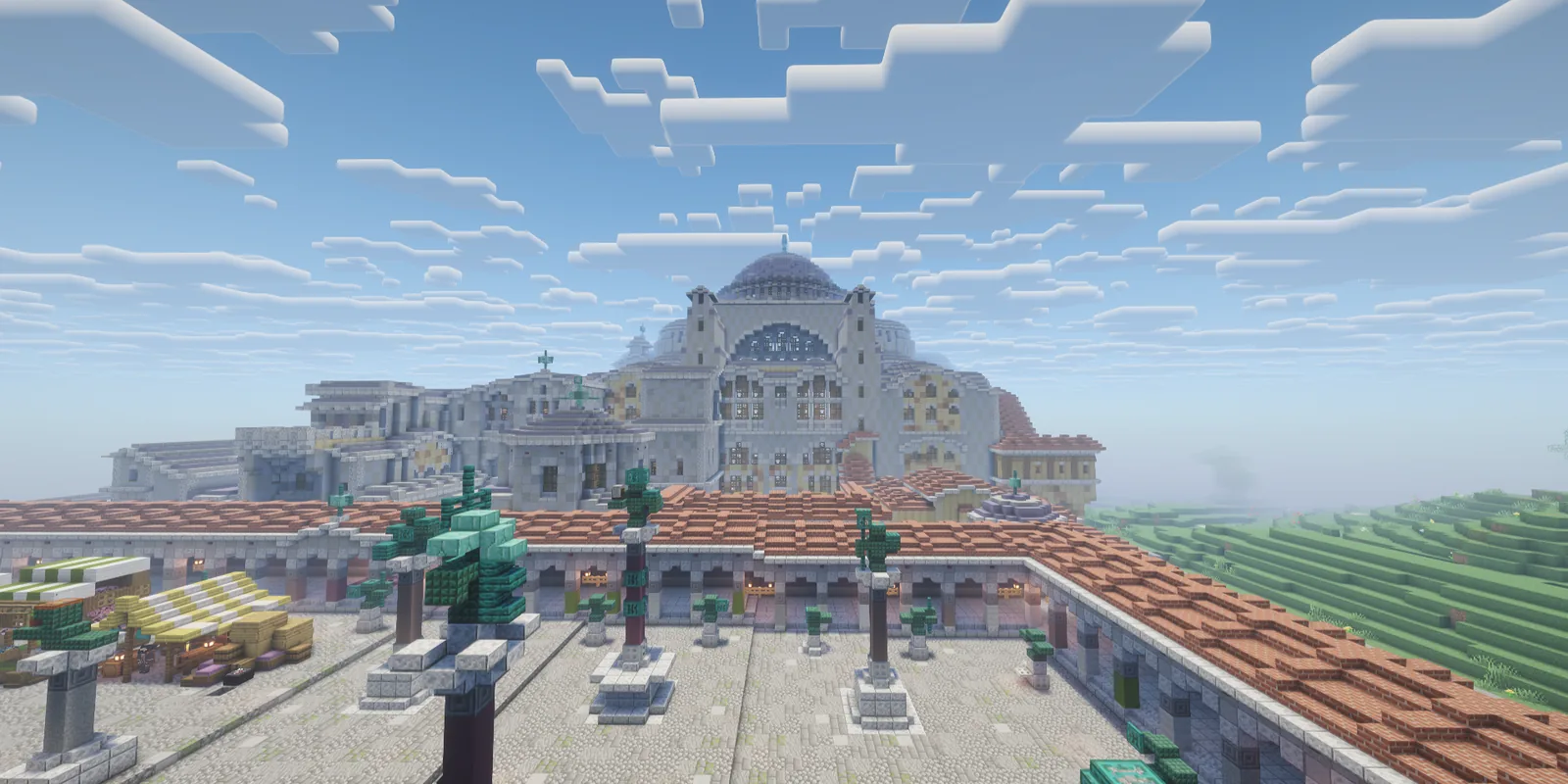
Europe
The Aegean coast · Anatolia
Iron and grain, smiths and stone roads. A cold, steady land that arms and feeds the others.
- You digIron · Coal
- You growWheat · Beetroot
- Your flocks giveWool
You'll trade for gold, spices and silk.
The Earth is shrunk 543 times, and where you wash ashore decides what your land will give you. Iron won't come out of the jungle. Wheat won't grow on tundra. Whatever your ground can't hand you, another cradle is sitting on a pile of, and that is the whole game.
Pick a cradle and join →The map is the ruleset. Each cradle owns a handful of resources outright. Break another cradle's ore and it crumbles to cobble in your hands; their crops give you seeds at best. So you dig what's yours, and you trade for the rest.
The Aegean coast · Anatolia
Iron and grain, smiths and stone roads. A cold, steady land that arms and feeds the others.
You'll trade for gold, spices and silk.
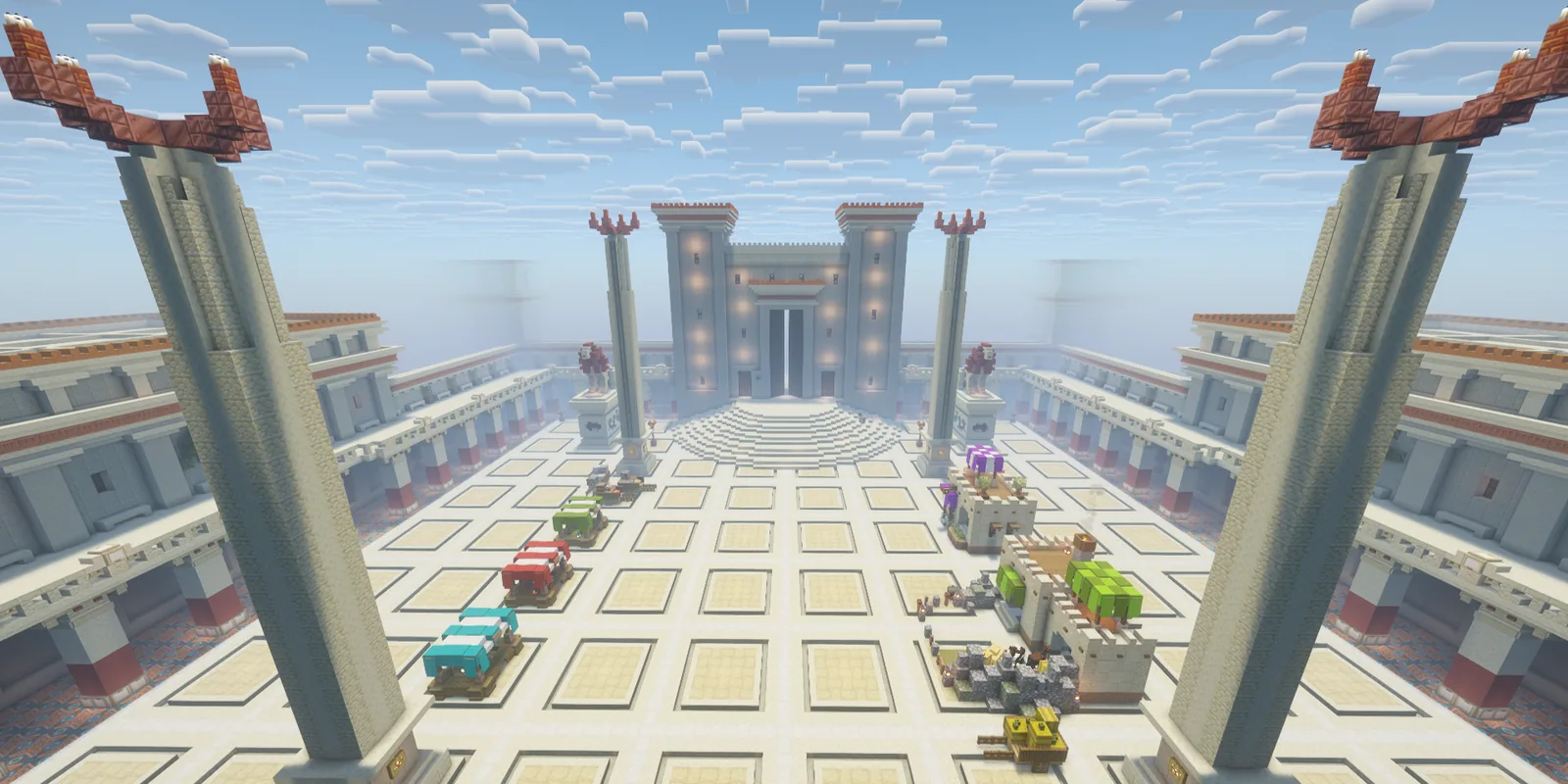
The Mauritanian coast · edge of the Sahara
Diamonds under the great deserts. A hard, dry country that holds the rarest stone on Earth.
You'll trade for iron, grain and lapis.
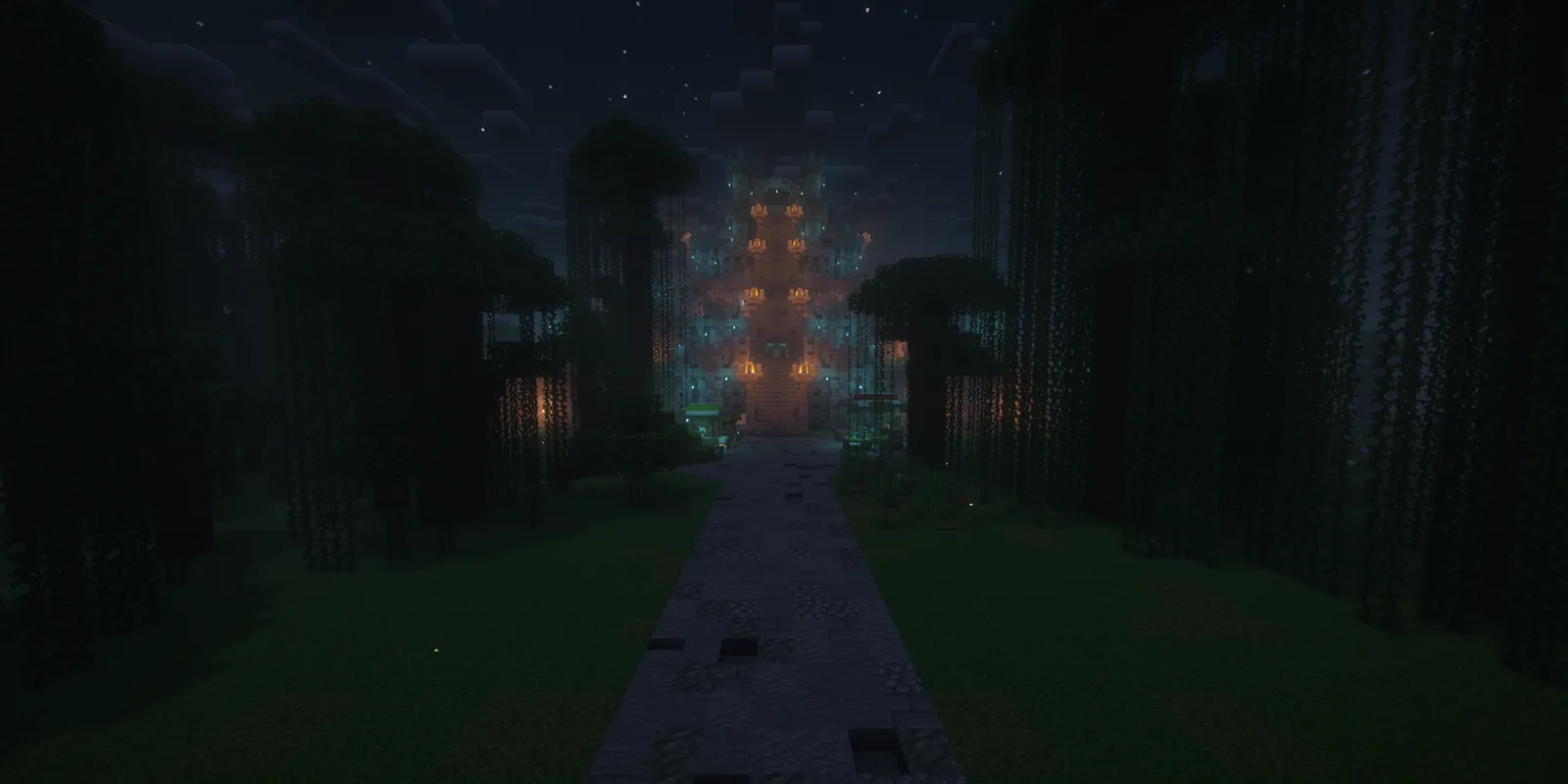
The Yucatán · the open new world
Gold, redstone and open plains. The coiners of the world: only here can gold be forged straight into money.
You'll trade for iron, diamond and silk.
Cradle perk The Mint Forge turns your gold into coin at a fixed rate — a mint no other cradle can build.
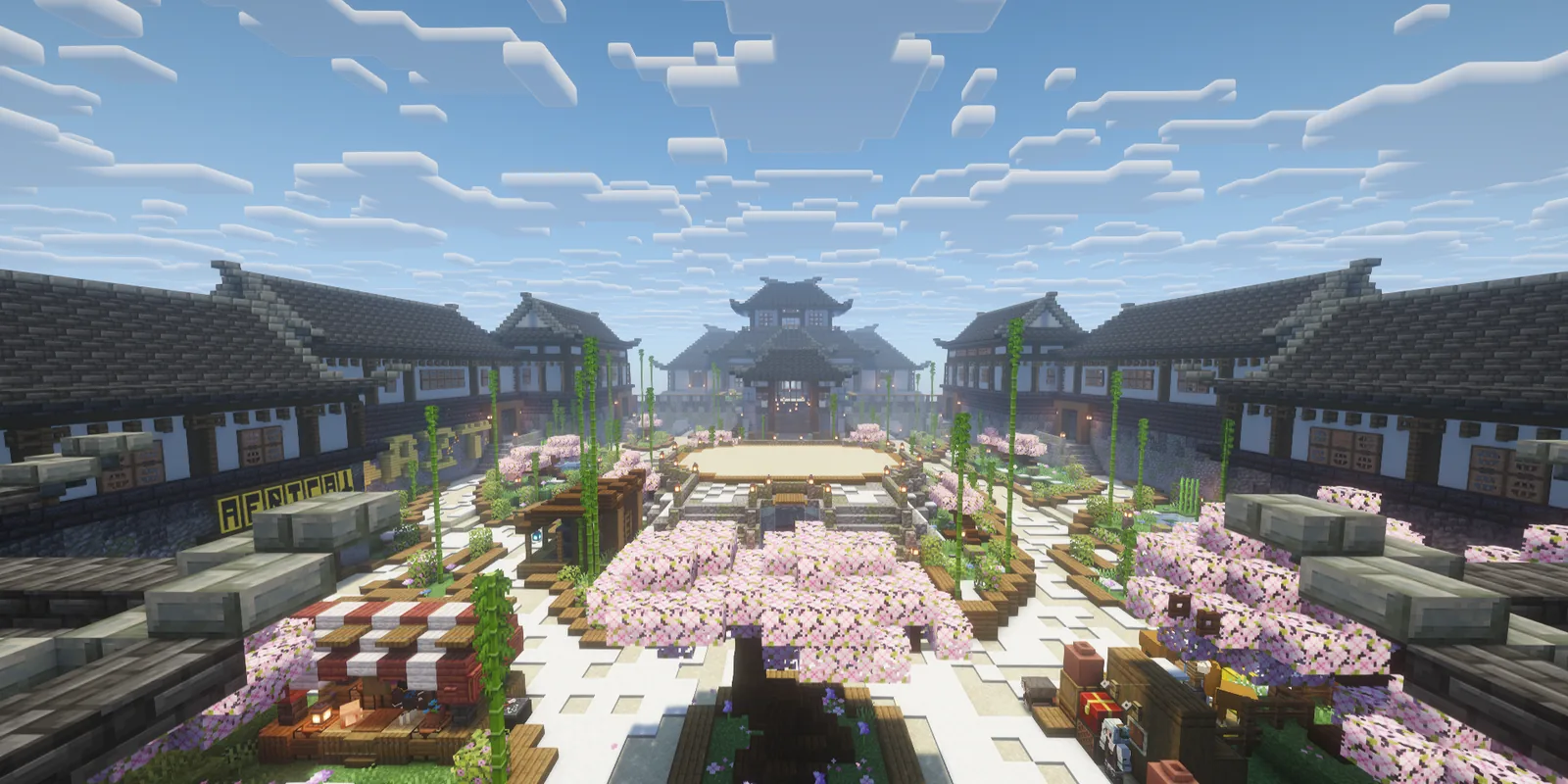
The Bohai coast · Shandong
Lapis, bamboo and monsoon coasts. The far end of the silk road, rich in what the west calls rare.
You'll trade for iron, gold and diamond.
That is on purpose. A diamond is worthless if you can't strike a pick to swing beside it, and Africa's iron comes from Europe. So goods move: sealed into packs, loaded onto donkeys and camels, walked down roads and across seas. Rob a caravan and you wear the bandit's mark. Build a town on a trade road and you get rich. The whole world runs on what your ground can't give you.